
Before Winter Sets In: A Home Oxygen Checklist for the Plateau
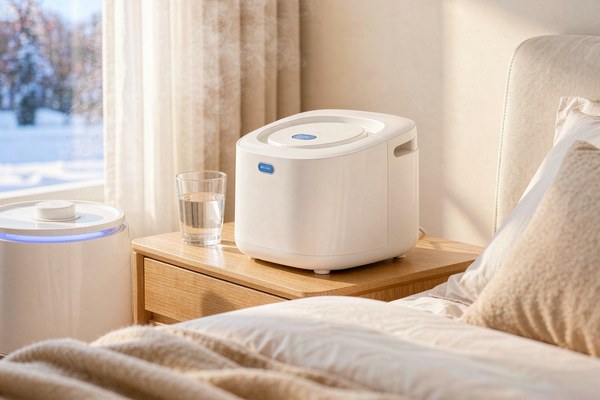
In the second half of October, the sun in Lhasa still burns at midday while the morning and evening winds carry a chill. Day-night temperature swings are widening, humidity is falling, and the season of respiratory illness is arriving. For households that keep an oxygen concentrator, a whole-home oxygen system, or a steel cylinder on hand, this is the time of year to give both the equipment and the household's oxygen habits a pre-winter check.
1. Why late autumn is the critical window for oxygen use on the plateau
Pressure on the body's oxygen supply is never caused by a single factor. Before winter, at least three things stack up: dry air, which strips moisture from the nasal and airway mucosa; falling temperatures, which raise the body's oxygen demand and the workload on the heart and lungs; and the start of cold and flu season, when respiratory infections can sharply worsen existing hypoxic symptoms. For households with chronic respiratory disease, heart conditions, or elderly members, these three months are usually when blood oxygen readings fluctuate the most across the whole year. Sorting out equipment and habits before winter is far better than reacting after symptoms appear.
2. The first hurdle is dryness: humidifier bottles, water choice, and nasal care
Dryness is the defining feature of a Tibetan winter. During oxygen therapy the airflow is faster than normal breathing, which accelerates water loss from the nasal passages; many people find their nose becoming dry, crusted, or even bleeding after a period of use. The remedy is simple. Fit a humidifier bottle, change the water daily, and prefer sterile distilled water or cooled boiled water. Science China's guidance on home oxygen therapy explicitly advises against tap water or mineral water, because minerals in them can form biofilms that are difficult to remove. If nasal soreness has already set in, a saline nasal spray can help short-term, and you should lower the flow until the mucosa recovers and consult a doctor.
3. Cold and flu season: when to use oxygen, and when to go to hospital
Oxygen relieves hypoxic symptoms, but it is not the answer to every discomfort. During the respiratory illness season, the rule of thumb is three steps: look at the symptoms, check the reading, then watch the trend. Keep a fingertip pulse oximeter at home and measure at rest. If there is persistent shortness of breath at rest, obvious blue lips, pink frothy sputum, confusion, or unusual drowsiness, do not hesitate and seek medical care immediately; these signs suggest the condition may be beyond what home care can handle. Patients with COPD or cor pulmonale on long-term oxygen therapy should have their regimen set by a doctor based on their condition and blood gas results, and should not adjust flow rates or duration on their own.
4. Flow rates: bigger is not better
A common misconception is "when I feel bad, I turn the flow up". Too high a flow creates its own problems: dry airflow aggravates damage to the nasal mucosa and raises the risk of bleeding, and in some COPD patients excess oxygen can suppress the drive to breathe. Whether to increase the flow, and by how much, should be decided against symptoms and oximeter readings, and where necessary by a doctor. Home units usually have several settings, and the setting for daytime use is not the same as for overnight sleep; have the service technician mark the appropriate settings for each family member during installation or an annual check.
5. A pre-winter equipment checklist
1. Intake air filter: the most overlooked item. Dust accumulated during the windy season reduces air intake, showing up as "the machine does not feel as strong as before". Cleaning or replacing the filter usually restores performance.
2. Nasal cannula and mask: consumables in direct contact with mucosa. One person per cannula, replace about once a week, and never share between people.
3. Humidifier bottle: clean and disinfect; check for scale or cracks.
4. Molecular sieve and overall performance: the sieve degrades with cumulative run time. For machines in service for several years, have the oxygen concentration measured once; do not let "blowing air" quietly become "not blowing oxygen".
5. Battery and cold-weather behaviour: do not leave the unit outdoors or in an unheated storage room overnight. Cold sharply shortens battery life, so plan power backup in advance where it matters.
6. Placement and safety: leave clearance around the unit for heat dissipation and air intake, and keep it away from fire sources, radiators, and cooking fumes. A concentrator outputs high-concentration oxygen, so smoking and open flame must be strictly prohibited in the environment where it runs, especially throughout the heating season.
7. Machines out of use: run them periodically so that the molecular sieve and seals do not fail from damp during long idle periods.
6. Frequently asked questions
Q: Should a household without chronically ill members keep a concentrator?
A: It depends on altitude and the household. Families living long-term around Lhasa at roughly 3,650 metres, households with elderly members or pregnancy, or those expecting visitors from low altitude can first have their oxygen needs assessed before deciding; there is no need to follow the crowd and buy one.
Q: What should whole-home oxygen households check before winter?
A: Focus on the outlets and piping: check that each room's outlet delivers evenly, look for ageing or leaking pipe joints, and confirm that concentration monitoring is working. A central oxygen system involves medical gas piping, and any modification must be carried out by professionals to code, with reference to GB 50751-2012 and YY 9706.269-2021.
Q: Can a steel cylinder and a concentrator be used together?
A: They can complement each other, but do not mix the connections yourself. Portable units and central or cylinder systems differ in pressure and fitting standards; mixing connections carries a safety risk and requires professional assessment.
Work through this list and the household's winter oxygen setup has a solid foundation. Xizang Kuyang maintains a local warehouse and service network in Lhasa with 48-hour response, offering on-site installation, filter replacement, and annual inspection. For any questions about home oxygen plans or equipment selection, call 15608996945.
References: Science China, "Home Oxygen Therapy: Doing It Safely"; YY 9706.269-2021 (safety and performance requirements for oxygen concentrators); GB 50751-2012, Technical Code for Medical Gas Systems.
Images are illustrative and may differ from actual product appearance. This article is a general science summary and does not constitute medical advice; follow your doctor's instructions for any oxygen therapy plan.